What are medicated weight loss injections?
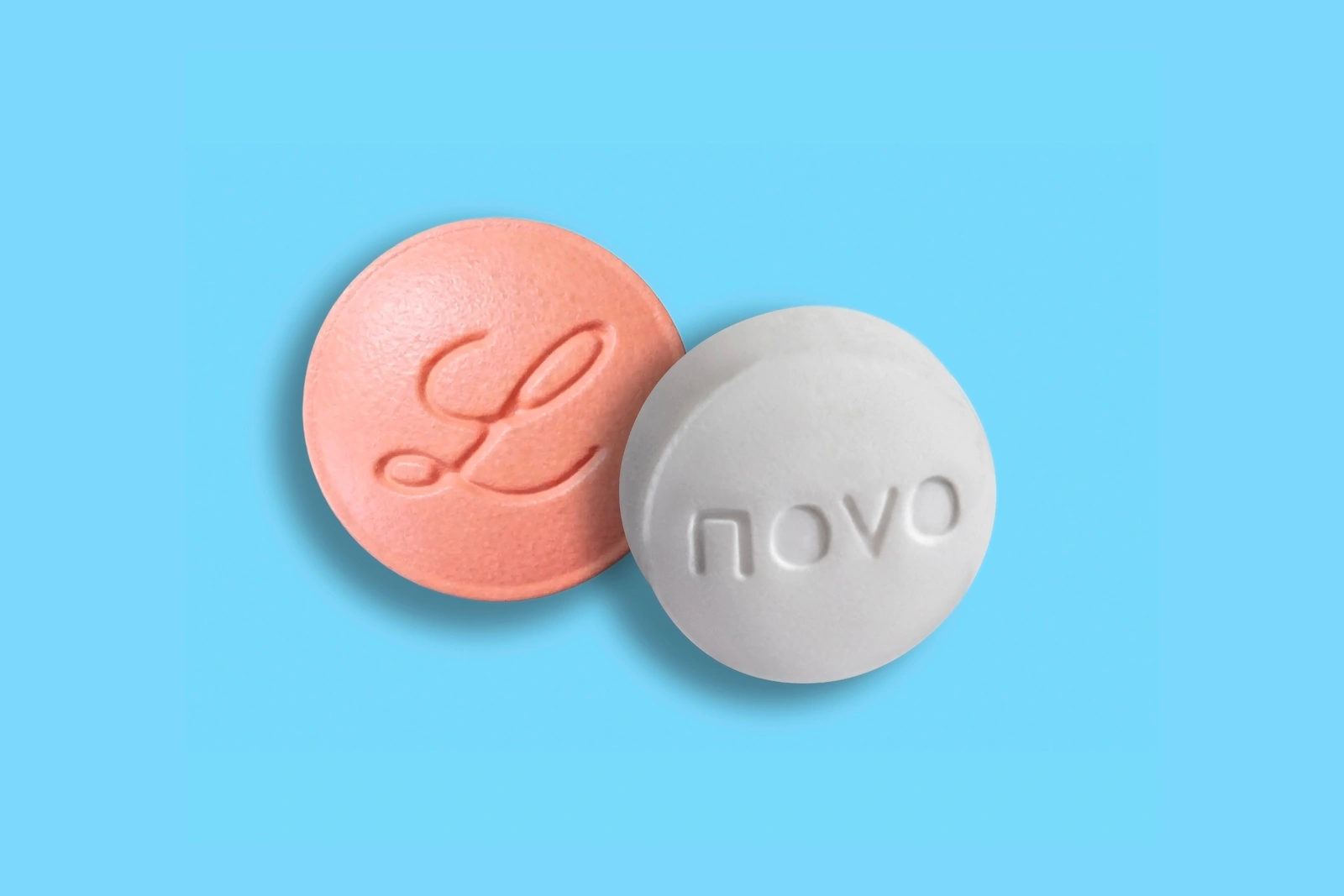
Medicated weight loss injections are prescription medications that help reduce appetite and support weight management. The most commonly prescribed are GLP-1 receptor agonists, originally developed to treat type 2 diabetes. These medications work by mimicking a natural hormone your body produces, helping you feel fuller for longer and reducing cravings.
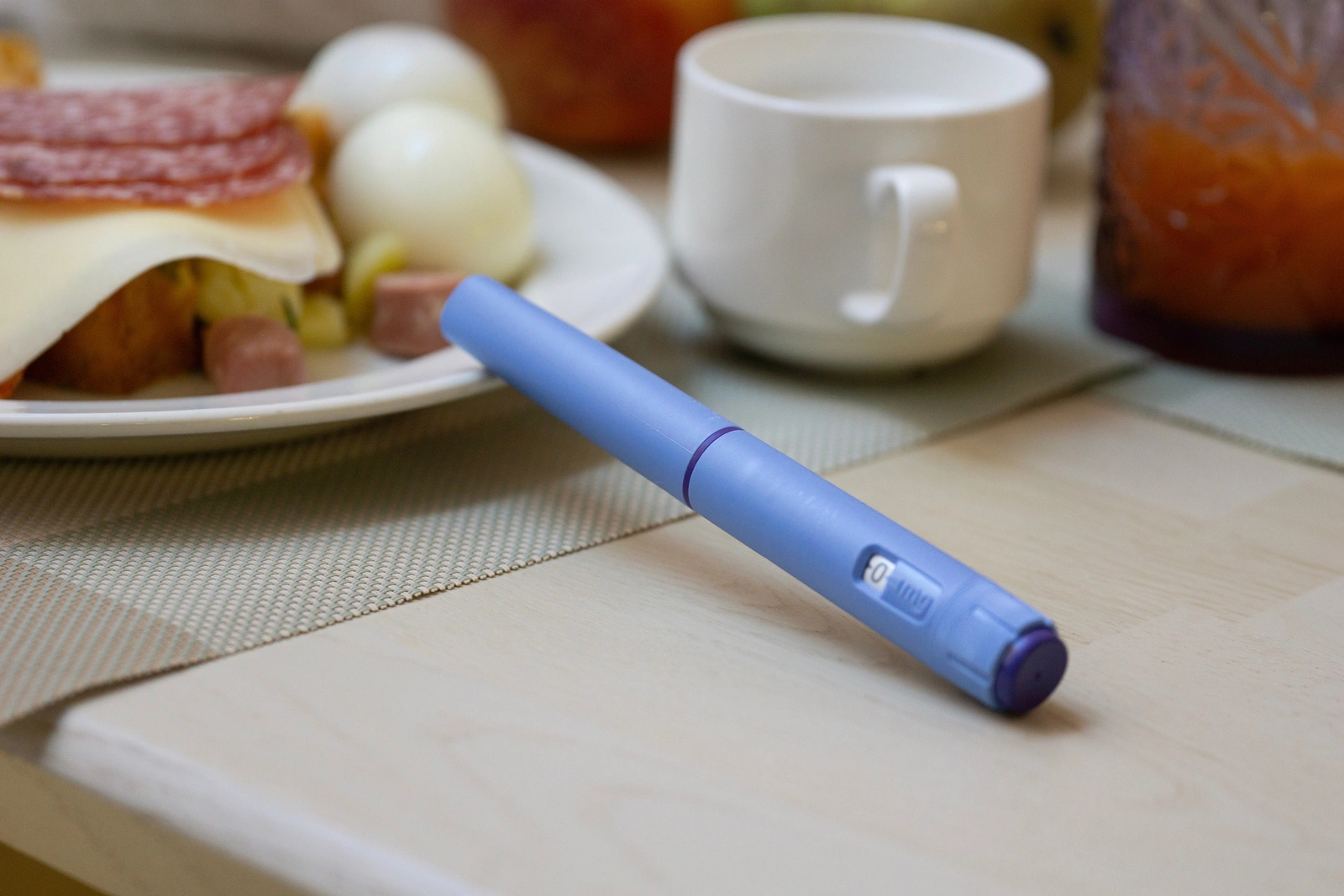
Unlike crash diets or unproven supplements, these injections have been studied in clinical trials and approved by regulators. They are given as a weekly self-injection, usually in the thigh, abdomen, or upper arm.
Who should consider medicated weight loss?
Medicated weight loss injections are not for everyone. They work best if you meet certain criteria.
You are a good candidate if you have a BMI of 30 or above (or 27 or above with weight-related health conditions such as high blood pressure or type 2 diabetes), have tried diet and exercise without sustained results, and are committed to lifestyle changes alongside the medication.
You should not use these injections if you are pregnant, breastfeeding, have a personal or family history of thyroid cancer, or have severe kidney or liver disease. If any of these apply to you, speak to your GP or pharmacist for personalised advice.
The injections work best when combined with healthy eating and regular movement. They are not a replacement for lifestyle change, but a tool to support it.
How medicated weight loss injections work
Appetite suppression
The medication signals to your brain that you are full, even when you have eaten less food. This reduces the constant urge to snack or overeat. Most people notice this effect within days of starting.
Blood sugar control
By slowing how quickly food leaves your stomach, the injections help keep blood sugar stable. This reduces energy crashes and cravings for sugary foods.
Sustained weight loss
Clinical trials show that people using these medications lose around 10-15% of their body weight over a year, when combined with diet and exercise. Some lose more.
What to expect when you start
Your first appointment will include a full health check, blood tests if needed, and a discussion of your goals and lifestyle. Your pharmacist will explain how to inject, what side effects to watch for, and when to return for follow-up appointments.
The dose starts low and increases gradually over several weeks. This helps your body adjust and reduces side effects. You will have regular check-ins to monitor your progress and adjust your plan if needed.
Weight loss is not immediate. Most people see noticeable changes after 4 to 8 weeks. The longer you continue, the more weight you typically lose, as long as you stick with healthy habits.
Side effects and what to watch for
Common side effects include nausea, constipation, and mild stomach discomfort, especially in the first few weeks. These usually settle as your body adapts.
Less common but more serious side effects include severe nausea, pancreatitis (pain in the upper abdomen), or signs of thyroid problems. If you experience severe abdominal pain, persistent vomiting, or a lump in your neck, stop the injection and contact your GP or pharmacist immediately.
Some people find they lose interest in foods they previously enjoyed. This is normal and usually temporary. Staying hydrated and eating protein-rich foods can help.
Common questions
How long do I need to take the injections?
This depends on your goals and how well the medication works for you. Some people continue long-term; others use it for a set period to reach their target weight. Your pharmacist will discuss this with you at each appointment.
Will I regain weight if I stop?
Weight regain is possible if you return to old eating habits. The injections are most effective when combined with lasting changes to diet and activity. Your pharmacist can help you plan for this.
Can I use these injections if I have diabetes?
Yes, many people with type 2 diabetes use these medications. In fact, they were originally developed for diabetes management. Your pharmacist will monitor your blood sugar closely and may adjust other diabetes medications.
Are these injections available on the NHS?
Availability varies. Some people qualify through the NHS; others choose private treatment. Your pharmacist can discuss both options with you.
How much do the injections cost privately?
Costs vary depending on the specific medication and your treatment plan. Your pharmacist will provide a clear quote during your consultation.
Do I need to diet while using the injections?
You do not need to follow a strict diet, but healthy eating habits make the injections far more effective. Your pharmacist can offer practical nutrition guidance tailored to you.
Can I exercise while taking these injections?
Yes, exercise is encouraged. Start gently if you are new to activity, as the injections may affect your energy levels initially.
Next steps
If you are struggling with weight and have tried diet and exercise without lasting success, medicated weight loss injections may be worth exploring. A pharmacist-led consultation gives you a clear picture of whether this treatment suits you, what results to expect, and how to combine it with lifestyle changes for the best outcome.
Fulham Palace Pharmacy in West London, offers medicated weight loss consultations with experienced pharmacists. Same-day appointments are often available, and your pharmacist will take time to understand your situation and answer all your questions before you decide. Book your consultation today to find out if this treatment is right for you.