Quick comparison: injections vs tablets
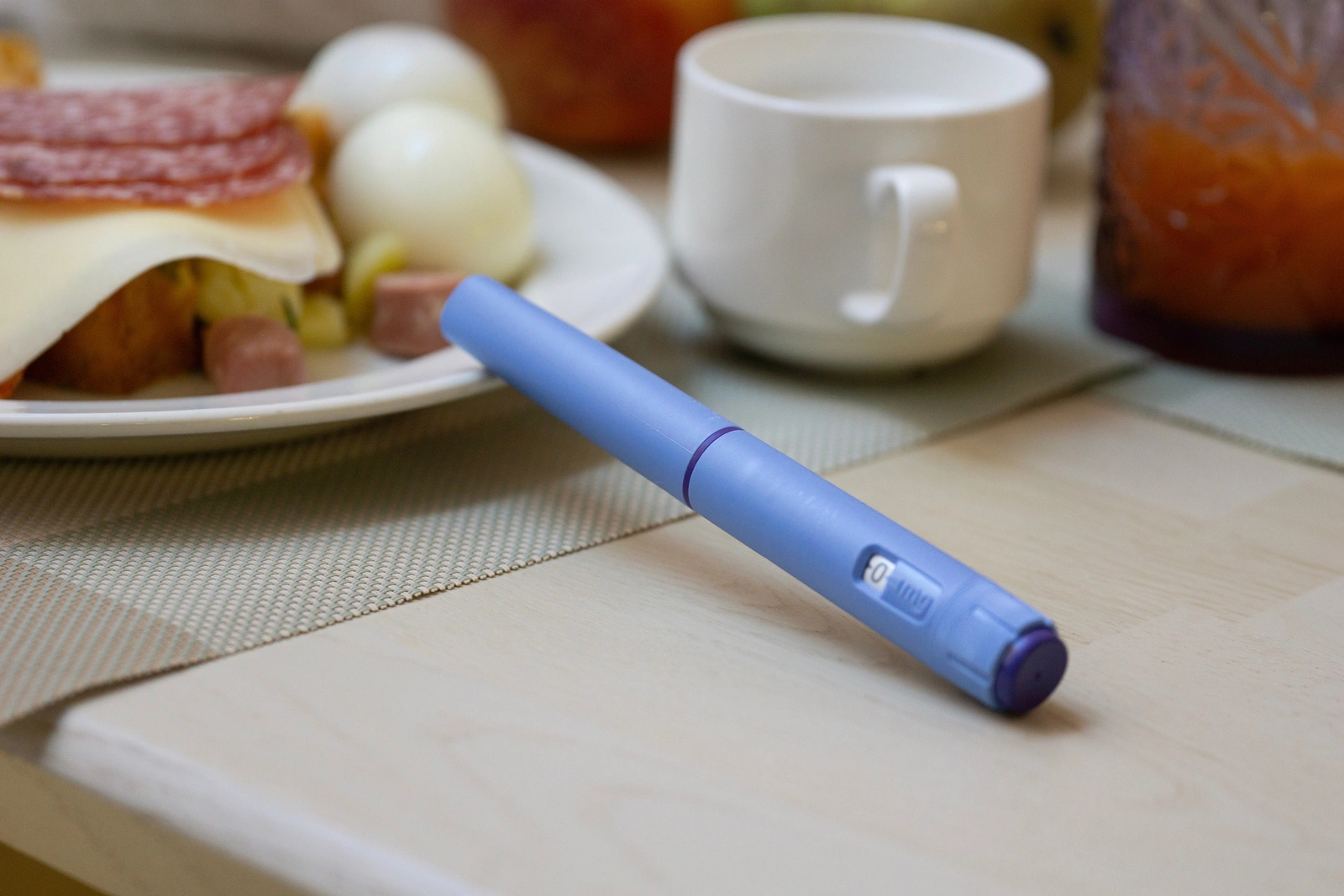
GLP-1 injections work by slowing digestion and reducing appetite. You inject once a week under the skin. Tablets work differently: some reduce appetite, others block fat absorption, others affect how your body uses glucose. You take them daily or twice daily by mouth.
Injections tend to produce larger weight losses in clinical trials, typically 15 to 22 percent of body weight over a year. Tablets produce smaller losses, usually 5 to 10 percent, though this varies by type. Injections cost more upfront but you use less medication overall. Tablets are cheaper per month but add up over time.
Side effects differ too. Injections often cause nausea at first, especially when you start or increase the dose. Tablets cause different problems depending on the type: some cause loose stools, others cause constipation, some cause dry mouth.
GLP-1 injections
How they work
GLP-1 is a hormone your gut naturally makes when you eat. It tells your brain you are full and slows how fast your stomach empties. GLP-1 drugs mimic this hormone. You inject a small dose under the skin once a week, usually in the thigh, abdomen, or upper arm. The dose starts low and increases over weeks to reduce side effects.
Who they suit
Injections work best if you have tried diet and exercise and lost little weight, or if you have regained weight after losing it. They suit people with a BMI of 30 or more, or 27 or more if you have weight-related health problems like type 2 diabetes or high blood pressure. They also suit people who can afford the cost and are willing to inject weekly.
Who they do not suit
Injections are not suitable if you are pregnant, planning pregnancy, or breastfeeding. They are not recommended if you have a personal or family history of thyroid cancer or a thyroid condition called medullary thyroid carcinoma. If you have severe kidney or liver disease, you need medical advice before starting. If you dislike injections or cannot afford them, tablets may be better.
Side effects and practical notes
Nausea is the most common side effect, especially in the first four weeks. It usually improves as your body adjusts. Other side effects include constipation, vomiting, and loss of appetite (which is partly the point, but can be extreme). Rarely, people report pancreatitis or gallbladder problems. You must stop the injection if you become pregnant.
Weight loss continues only while you take the injection. If you stop, weight often returns within months. You will need to keep taking it or switch to a long-term maintenance dose. Injections are not available on the NHS for weight loss alone; you usually need type 2 diabetes or heart disease as well. Private prescriptions cost between 150 and 300 pounds per month depending on the dose and brand.
Oral weight loss tablets
How they work
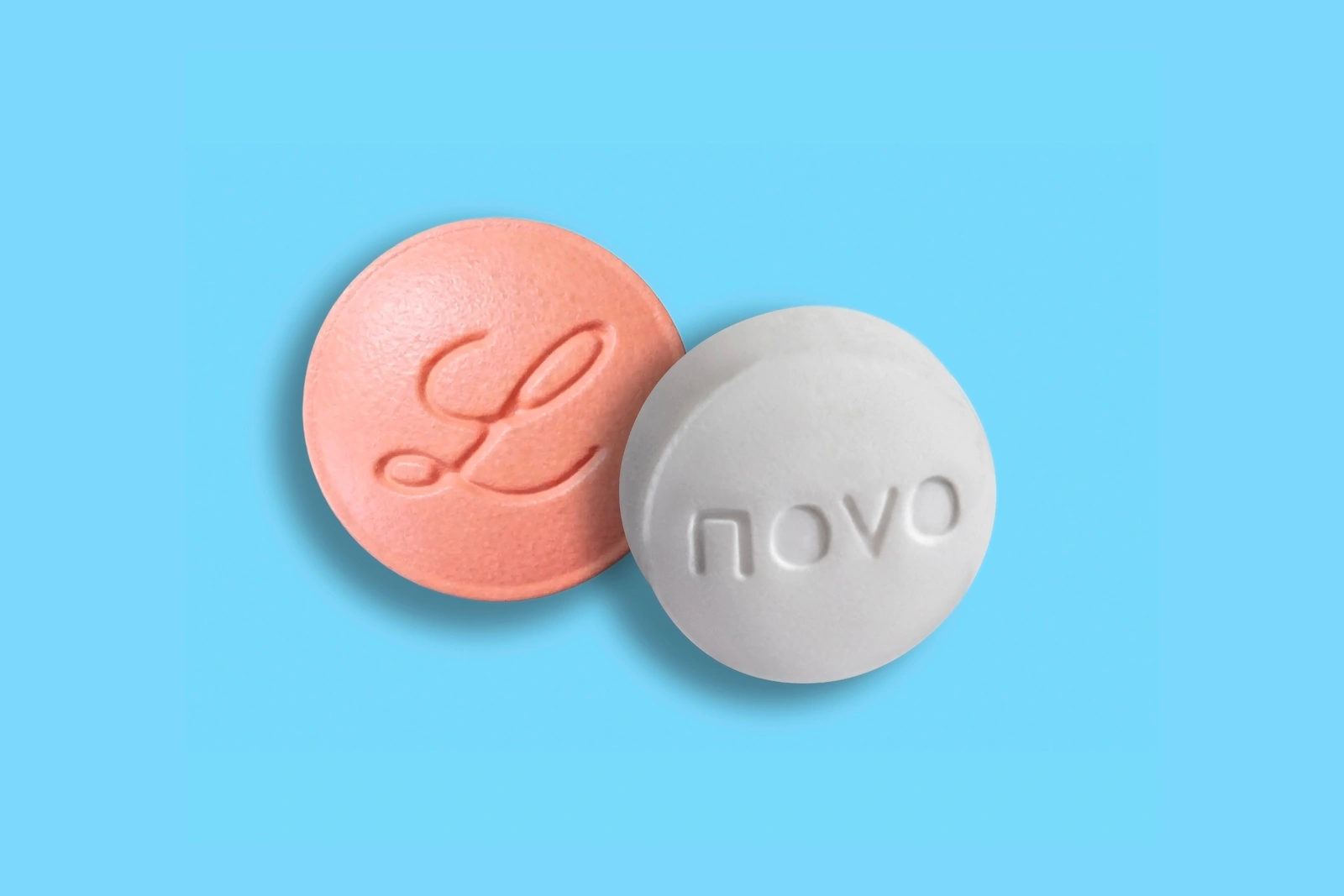
Tablets work by several mechanisms. Orlistat blocks your gut from absorbing about 30 percent of the fat you eat; the fat passes through unused. Naltrexone and bupropion act on the brain to reduce hunger and increase energy use. Phentermine is a stimulant that reduces appetite. Each has a different chemical action and a different side effect profile.
Who they suit
Tablets suit people who prefer not to inject, or who cannot afford injections. They suit people with a BMI of 30 or more, or 27 or more with weight-related conditions. They are easier to stop than injections if side effects are bad. Some tablets, like orlistat, are available over the counter at pharmacies without a prescription, making them accessible and affordable.
Who they do not suit
Tablets are not suitable if you are pregnant or breastfeeding. Some interact with other medicines, so tell your pharmacist or GP what you take. Phentermine should not be used if you have heart disease or high blood pressure. Orlistat does not suit people with chronic malabsorption or gallbladder disease. If you have severe kidney or liver disease, ask your GP or pharmacist which tablet is safe.
Side effects and practical notes
Orlistat causes loose stools, urgency, and oily spotting, especially after fatty meals. Many people find this unpleasant enough to eat less fat, which helps weight loss. Naltrexone and bupropion can cause nausea, headache, and constipation. Phentermine can raise heart rate and blood pressure and cause insomnia or anxiety. Tablets produce slower weight loss than injections but fewer people stop them due to side effects.
Most tablets are taken daily. Orlistat is available at the pharmacy without a prescription for around 10 to 15 pounds per month. Prescription tablets cost more, typically 30 to 80 pounds per month depending on type and dose. Like injections, weight often returns if you stop the tablet.
How to choose
Ask yourself three questions.
Can you afford injections? If cost is the main barrier, start with an over-the-counter tablet like orlistat or speak to your GP about prescription options on the NHS.
Do you mind injecting weekly? If injections feel daunting or you have needle anxiety, tablets are more practical.
How much weight do you need to lose? If you need to lose more than 15 percent of your body weight, an injection is more likely to get you there. If you need to lose 5 to 10 percent, a tablet may be enough.
Do you have other health conditions? If you have type 2 diabetes, an injection may help both weight and blood sugar. If you have heart disease, some tablets are safer than others. Ask your GP or pharmacist.
The best choice is the one you will stick with. A tablet you take consistently beats an injection you stop because of cost or side effects.
Common questions
Can I take a tablet and an injection together? No. They should not be combined because the effects on appetite and digestion would be unpredictable. Choose one or the other.
How long do I need to take weight loss medication? Most people take it long-term, at least a year, sometimes indefinitely. Weight loss plateaus after 6 to 12 months, but the medication helps prevent regain. Your GP or pharmacist will review this with you.
Will the NHS prescribe these for me? The NHS prescribes GLP-1 injections only if you have type 2 diabetes or heart disease, not for weight loss alone. Some tablets like orlistat are available on prescription if your BMI is high enough. Ask your GP.
What if I have side effects? Tell your pharmacist or GP immediately. For injections, side effects often improve after a few weeks as your body adjusts. For tablets, your dose can be lowered or you can switch to a different type. Do not stop suddenly without advice.
Do I need to diet and exercise as well? Yes. Weight loss medication works best alongside a balanced diet and regular activity. Medication alone produces smaller losses than medication plus lifestyle change.
Can I use these if I am trying to get pregnant? No. Both injections and tablets should be stopped before you try to conceive. Tell your GP or pharmacist if you are planning pregnancy.
Which is more effective? Injections produce larger average weight losses in trials, but tablets work for many people, especially if you stick with them. Effectiveness also depends on your body, diet, and activity level.
Are there any new options in 2026? New weight loss drugs are in development, but GLP-1 injections and oral tablets remain the main options. Your pharmacist can tell you about any new treatments that become available.
Deciding between weight loss injections and tablets comes down to cost, convenience, and how much weight you need to lose. Injections work faster and produce larger losses, but cost more and require weekly injections. Tablets are cheaper and easier to take, but work more slowly. Both work best alongside diet and exercise, and both require long-term use to prevent weight regain.
Fulham Palace Pharmacy in Fulham can help you explore both options. We offer same-day appointments and can discuss which treatment suits your health, budget, and preferences. Book a consultation with one of our pharmacists today to get started.